Non-invasive, physician-led depression treatment designed for those seeking a different option when traditional approaches haven’t worked.
Non-invasive, physician-led depression treatment designed for those seeking a different option when traditional approaches haven’t worked.
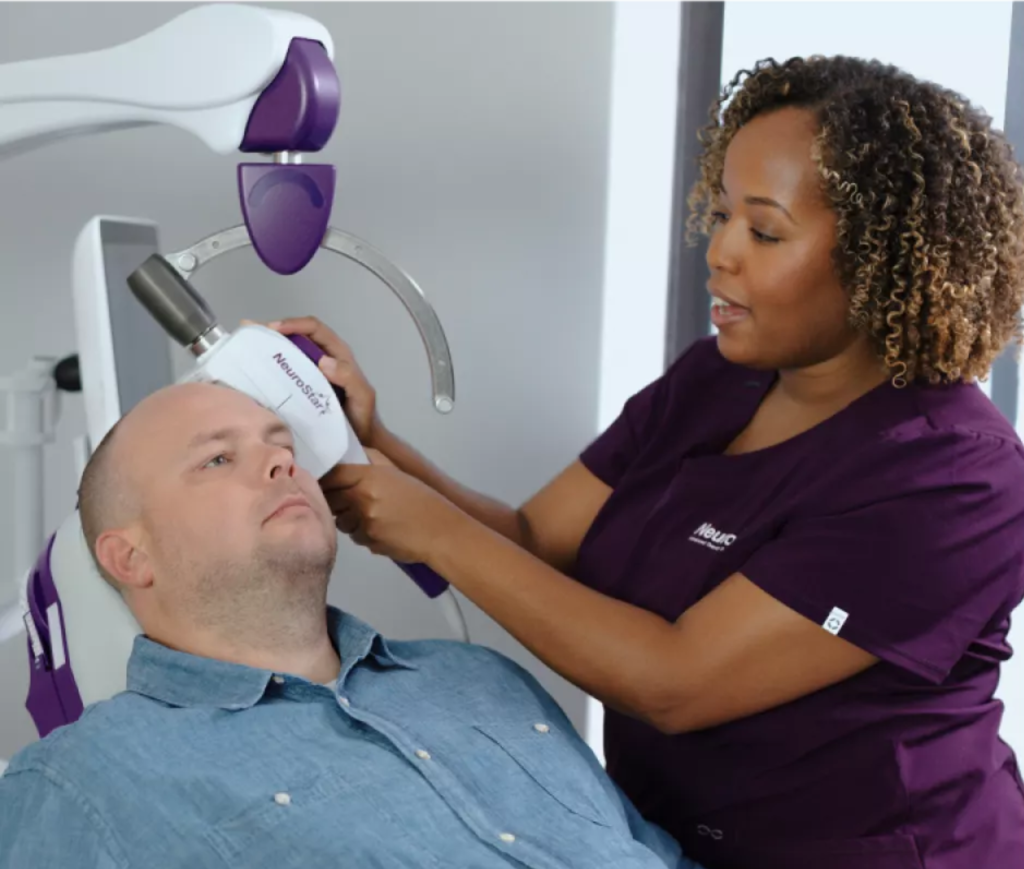
Transcranial Magnetic Stimulation, or TMS therapy, is an FDA cleared, non invasive treatment for depression that uses targeted magnetic pulses to stimulate areas of the brain involved in mood regulation.
Veterans experience higher rates of treatment-resistant depression, often complicated by PTSD, chronic pain, traumatic brain injury, medication intolerance, and polypharmacy concerns. These overlapping conditions can make traditional medication-based treatment difficult to manage and even harder to sustain.
TMS is particularly well suited for this population because it works independently of any medication regimen, is safe for patients with PTSD and mild to moderate TBI, and carries minimal cognitive or physical side effects. There is no sedation, no systemic medication, and no downtime. Patients drive themselves to appointments and return to their normal routine immediately after each session. The VA health system widely offers TMS, and it is included in VA and DoD clinical practice guidelines for depression, reflecting the growing recognition of its value for veteran care.
Clinical Evidence
Observed in veteran and civilian studies, including patients who had previously failed multiple antidepressants.
Full remission achieved in a significant portion of patients, even those with comorbid PTSD and MDD.
Having PTSD alongside depression does not reduce how well TMS works. Veterans with both conditions respond just as well as those with depression alone.
While TMS is FDA-approved for depression rather than PTSD alone, research confirms that veterans with comorbid PTSD and major depressive disorder respond well. In VA clinical samples, outcomes are often comparable to or slightly better than civilian studies, and TMS is included in VA/DoD clinical practice guidelines for depression.
https://news.va.gov/49058/veterans-ptsd-treated-transcranial-magnetic-stimulation/
Real Stories of Hope
Collaborative Counseling TMS has treated veterans who struggled with depression for years, often after trying medications and other treatment approaches without enough improvement.
To all who enter: There is hope, even when your brain tells you there isn’t! To the team at collaborative counseling: Thank you from the top of my brain and bottom of my heart for being a part of my healing journey. I’ve been on this road for over 10 years and I finally feel a sense of peace and clarity.
Coverage
Collaborative Counseling TMS works with many insurance plans and accepts Tricare for eligible patients.
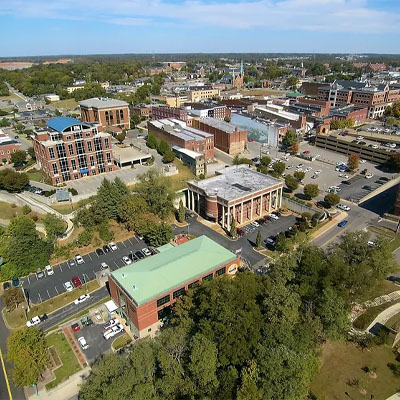
Located in Columbia, our clinic provides TMS Therapy to those in the surrounding regions such as Ellicott City, Baltimore, and Clarksville.

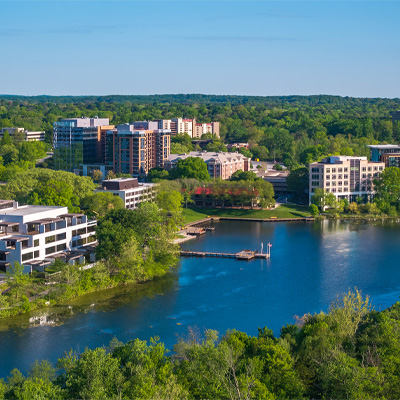
Our Address:
8820 Columbia 100 Parkway, Suite 201
Columbia, MD 21045

TMS therapy may help veterans who are struggling with depression, especially when antidepressant medications have not provided enough relief. TMS is FDA-cleared and works by stimulating areas of the brain involved in mood regulation without medication or sedation.
Yes, Tricare may cover TMS therapy for veterans who meet medical criteria. Coverage depends on your specific Tricare plan and treatment history. Our team can help verify benefits and explain your coverage options.
Yes, we accept Tricare insurance and help veterans in Columbia, Ellicott City, Baltimore, Clarksville, and surrounding Maryland communities navigate coverage for TMS therapy.
TMS is most commonly used to treat major depressive disorder, but it may also help veterans dealing with symptoms related to anxiety, trauma, OCD, or depression that has not improved with traditional treatment.
While TMS is FDA-cleared for depression, some veterans with PTSD-related symptoms may benefit from treatment, especially when depression is also present. A consultation can help determine if TMS may be appropriate.
Yes, TMS is commonly recommended for people with treatment-resistant depression, meaning they have not improved after trying antidepressant medications or therapy alone.
Most people describe TMS as a tapping sensation on the scalp during treatment. Sessions do not require anesthesia, and patients remain awake and alert the entire time.
The most common side effects are mild scalp discomfort or headache during early sessions. TMS does not have the systemic side effects often associated with antidepressant medications.
TMS is FDA-cleared and considered a safe, non-invasive treatment for depression when provided under medical supervision. It does not require medication, sedation, or hospitalization.
Veterans in Columbia, Ellicott City, Baltimore, Clarksville, and surrounding Maryland areas can access TMS therapy at our clinic, Collaborative Counseling Center.

If traditional treatment has not provided the relief you were hoping for, TMS therapy may offer another option. Our team is here to answer your questions, verify insurance coverage, and help you understand whether TMS is a good fit for your needs.

Enter your contact information below and our staff will contact you to set up a free consultation to evaluate your situation and review potential treatment options.